








Lebanon boasts a remarkable 6,000-year winemaking legacy, making it one of the world’s oldest wine-producing regions. This ancient tradition continues to thrive today, with the Lebanese wine industry generating over $15 million in exports annually as of 2024, according to the Lebanese Ministry of Agriculture. The unique terroir of the Bekaa Valley, combined with indigenous grape varieties and time-honored techniques, creates wines that truly discover the rich flavors of lebanese wine. What secrets lie within this extraordinary millennium-spanning tradition?
The Ancient Roots: How 6,000 Years Shaped Modern Lebanese Viticulture
The Phoenicians planted the first vines in Lebanon’s fertile valleys around 4000 BCE, establishing a winemaking legacy that predates most European wine regions by millennia. These ancient merchants didn’t just produce wine for local consumption – they exported amphorae filled with Lebanese wine across the Mediterranean, spreading their viticultural knowledge to Greece, Rome, and beyond.
Topic to read : Time management in the kitchen: the ultimate guide to choosing an easy-to-use and accurate timer
Each civilization that followed left its mark on Lebanese winemaking techniques. The Romans introduced advanced fermentation methods and stone pressing systems, many of which remained in use until the 20th century. Byzantine monks preserved these traditions through the Dark Ages, maintaining vineyards in monastery cellars that still operate today.
Modern Lebanese vintners honor this heritage while embracing innovation. Ancient terracing techniques protect hillside vineyards from erosion, just as they did 3,000 years ago. Traditional grape varieties like Obaideh and Merwah, cultivated since Phoenician times, now share space with international varietals in temperature-controlled cellars that would amaze ancient winemakers.
In the same genre : The benefits and practicalities of using a water bottle with straw
This unbroken continuity makes Lebanese wine unique – every bottle contains not just fermented grapes, but six millennia of accumulated wisdom and cultural identity. Take time to discover the rich flavors of lebanese wine
From Phoenician Traders to Modern Pioneers
The ancient Phoenicians didn’t just trade purple dye and precious metals across the Mediterranean. These master navigators carried Lebanese wine in amphoras to distant shores, establishing trade routes that would shape viticulture for millennia. Their legacy lives on in Lebanon’s Bekaa Valley, where 6,000 years of winemaking tradition meets cutting-edge technology.
Today’s Lebanese vintners honor this heritage while embracing innovation. Traditional stone fermentation vessels stand alongside temperature-controlled stainless steel tanks. Indigenous grape varieties like Obaideh and Merwah, cultivated since Phoenician times, share vineyard space with internationally acclaimed Cabernet Sauvignon and Syrah plantings.
Modern pioneers like Château Ksara and Château Musar have elevated Lebanese wine to global recognition, proving that ancient terroir can produce world-class vintages. They’ve mastered the delicate balance between preserving ancestral techniques and implementing modern sustainable practices, creating wines that tell the story of Lebanon’s remarkable journey from ancient trading hub to contemporary wine destination.
What Makes These Wines Truly Distinctive
The Bekaa Valley creates wines with a character unlike any other Mediterranean region. Nestled at 1,000 meters above sea level between the Lebanon and Anti-Lebanon mountain ranges, this ancient terroir combines altitude with limestone-rich soils that have been nurturing vines for millennia.
The valley’s unique microclimate plays a crucial role in shaping these distinctive wines. Hot, dry summers are tempered by cool mountain nights, creating dramatic temperature variations that preserve natural acidity while concentrating flavors. This contrast allows grapes to develop complex aromatics while maintaining the freshness that sets Lebanese wines apart from their warmer Mediterranean counterparts.
The limestone and clay soils characteristic of the region impart a distinctive minerality that wine enthusiasts immediately recognize. Indigenous varieties like Obaideh and Merwah express this terroir beautifully, producing wines with remarkable depth and a signature chalky backbone. Even international varieties planted here develop unique expressions, often showing more elegance and restraint than similar wines from coastal Mediterranean regions.
This combination of altitude, ancient soils, and continental climate creates wines with both power and finesse—a balance that makes Lebanese wines truly exceptional in the Mediterranean wine landscape.
Grape Varieties and Terroir: The Heart of Lebanese Winemaking
Lebanon’s winemaking success stems from a unique combination of indigenous grape varieties and carefully selected international cultivars that have adapted beautifully to the country’s diverse terroirs. The Bekaa Valley’s limestone-rich soils and Mediterranean climate create ideal conditions for both native and foreign grapes to express their fullest potential.
- Obeideh – This ancient white variety produces elegant wines with citrus and mineral notes, often compared to Chardonnay but with distinctive Lebanese character and remarkable aging potential
- Merwah – A native white grape yielding fresh, aromatic wines with floral hints and crisp acidity, perfect for the region’s warm summers
- Cinsault – Originally from France, this red variety thrives in Lebanese conditions, creating light, fruity wines with soft tannins and vibrant red fruit flavors
- Cabernet Sauvignon – International variety producing full-bodied reds with blackcurrant notes and excellent structure in Lebanon’s high-altitude vineyards
- Syrah – Adapts exceptionally well to Lebanese terroir, creating spicy, complex wines with dark fruit characteristics and peppery finish
These varieties benefit from Lebanon’s unique terroir advantages: cool nights preserve acidity, while sunny days ensure optimal ripening and flavor concentration.
Renowned Wineries and Their Cultural Legacy
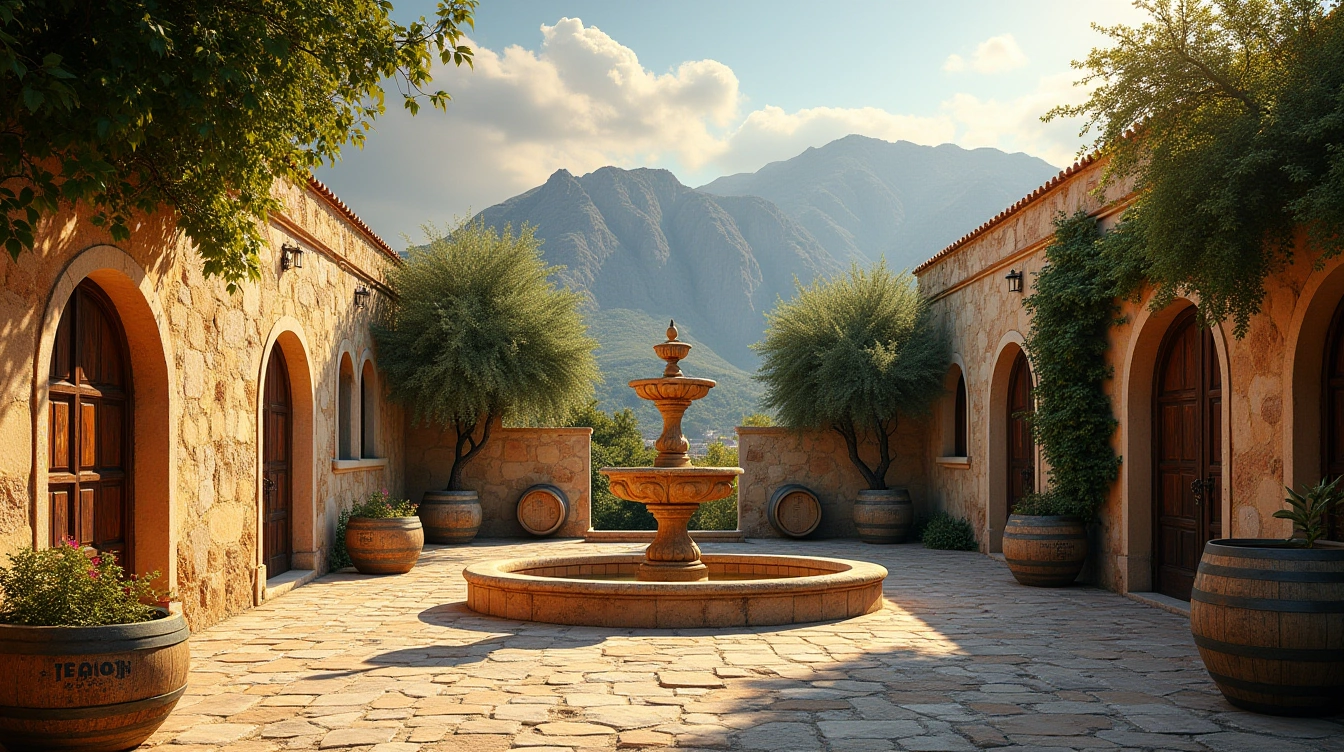
At the heart of Lebanon’s wine renaissance stands Château Ksara, the country’s oldest commercial winery, founded in 1857 by Jesuit monks in the Bekaa Valley. These pioneering vintners established cellars carved directly into Roman-era caves, creating natural aging conditions that still define Ksara’s distinctive character today. The winery seamlessly blends monastic traditions with cutting-edge technology, producing wines that have garnered international recognition while preserving Lebanon’s viticultural heritage.
Château Musar represents perhaps Lebanon’s most internationally celebrated wine story. Founded by Gaston Hochar in 1930, this family estate survived decades of conflict while maintaining unwavering commitment to quality. Serge Hochar’s legendary dedication saw him navigate wartime challenges to continue harvesting grapes, creating wines with extraordinary aging potential that showcase Lebanon’s unique terroir to global markets.
Modern innovation finds its voice through Ixsir, where contemporary architecture meets ancient winemaking wisdom. This boutique winery champions sustainable practices while crafting premium wines that reflect Lebanon’s diverse microclimates. Together, these estates form a triumvirate of excellence, each contributing distinct chapters to Lebanon’s evolving wine narrative and cementing the country’s position among the world’s most compelling wine regions.
Perfect Pairings: Lebanese Cuisine and Local Wines
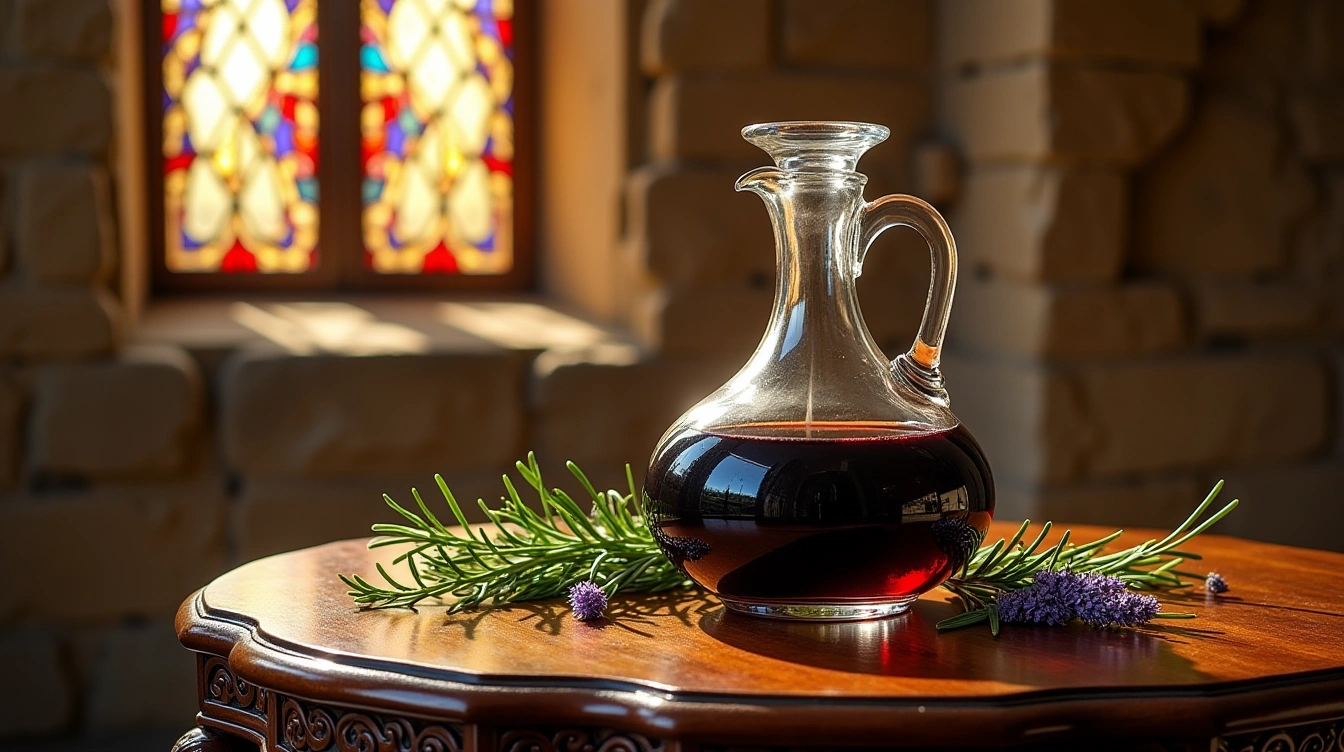
The marriage between Lebanese cuisine and local wines creates a symphony of flavors that has evolved over millennia. Traditional mezze platters find their perfect companions in crisp white wines from the Bekaa Valley, where the mineral-rich terroir complements the creamy textures of hummus, baba ganoush, and labneh.
Grilled lamb and beef kebabs showcase the brilliance of Lebanese red wines. The robust tannins in Cabernet Sauvignon and Syrah blends cut through rich meats while enhancing the smoky char from traditional grilling methods. Local winemakers specifically craft their reds to harmonize with these protein-heavy dishes that anchor Lebanese dining traditions.
The aromatic complexity of Middle Eastern spices like sumac, za’atar, and cinnamon finds unexpected harmony with indigenous grape varieties. Obaideh and Merwah whites offer floral notes that dance with delicate fish preparations, while their natural acidity balances the region’s generous use of olive oil and lemon.
Questions About Lebanese Wine Heritage
Lebanese wine enthusiasts often have questions about this ancient winemaking tradition. Here are the most common inquiries about Lebanon’s fascinating wine heritage, from its unique characteristics to the best vineyard experiences.
What makes Lebanese wine different from other Mediterranean wines?
Lebanese wines showcase unique terroir characteristics from the Bekaa Valley’s high altitude and limestone soils. The blend of international varieties with indigenous grapes creates distinctive flavor profiles unavailable elsewhere in the Mediterranean region.
How long has Lebanon been making wine and what is its history?
Lebanon has been producing wine for over 6,000 years, making it one of humanity’s oldest winemaking regions. Phoenicians spread viticulture across the Mediterranean, while modern Lebanese wine renaissance began in the 1970s.
Which Lebanese wineries are the most famous and worth visiting?
Château Musar leads internationally, while Château Ksara offers historic cellars dating to 1857. Domaine Wardy and Château Kefraya provide exceptional tasting experiences with stunning Bekaa Valley vineyard views and traditional Lebanese hospitality.
What grape varieties are native to Lebanon and how do they taste?
Indigenous varieties include Merwah and Obaideh (white grapes) offering crisp, mineral-driven wines. These ancient varieties produce elegant wines with citrus notes and remarkable aging potential, perfectly adapted to Lebanon’s mountainous climate.
What Lebanese dishes pair best with local wines from the Bekaa Valley?
Lebanese reds complement grilled lamb and kibbeh beautifully, while whites enhance mezze platters, tabbouleh, and fresh seafood. The wines’ natural acidity cuts through rich tahini-based dishes and aromatic spices perfectly.